
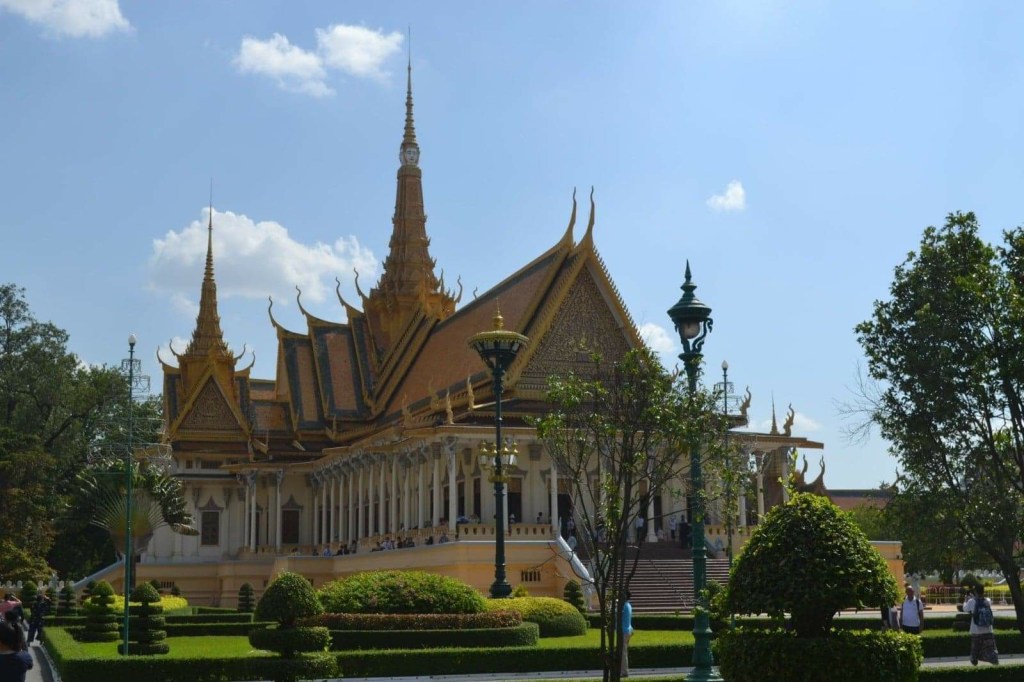
The Phnom Penh Royal Palace and adjoining Silver Pagoda are popular tourist spots, but I found it to be a little pricey for what you get to see. Nevertheless I wanted to make use of my time in Phnom Penh to visit, and while it wasn’t the purpose of my trip to Phnom Penh, I was there to visit the Tuol Sleng S-21 Genocide Museum and the Killing Fields, overall this was a much lighter and refreshing distraction.
The Palace

The Royal Palace, or Preah Barum Reachea Veang Nei Preah Reacheanachak: ព្រះបរមរាជវាំងនៃព្រះរាជាណាចក្រកម្ពុជា, is a compound of palacial buildings which serves as the royal residence of the king of Cambodia. Its full name is Preah Barum Reachea Veang Chaktomuk Serei Mongkol: ព្រះបរមរាជវាំងចតុមុខសិរីមង្គល. It has been the residence of the kings of Cambodia since its construction in the mid to late 1860’s with a brief period of interregnum from 1970-1993, when the country experienced a series of coups, republics and Maoist revolution before the restoration of the monarchy.
The first palace business were constructed between 1866 and 1870, after the capital was moved from Oudong to Phnom Penh. The former citadel of Banteay Kev was chosen as the new palace site, right near where the Tonle Sap river meets the Mekong.


The establishment of the Royal Palace in Phnom Penh is a relatively recent event, as the royal citadel we associate with the Khmer kingdom is in Angkor, then moved around before settling in Oudong as the kingdom tried to reestablish itself from the encroaching Thai and Vietnamese empires.
With the guarantee of the French Protectorate over Cambodia, the royal seat was moved from Oudong to Phnom Penh in 1866, where the before mentioned ruined citadel of Banteay Kev was located. I will get to Phnom Penh in a later post, though enough is written by others it might be some time before I get to it.
Many of the original palace compound buildings have been removed or rebuilt, so none of the present buildings are from the original palace except for the Napoleon Pavilion, which is sadly undergoing restoration so no current photo from my trip is available. This was a gift from France to the King of Cambodia, a thank you for letting us colonize your country kind of thing. The original Chanchhaya Pavilion was a much smaller building, but was expanded to its current size in the major reconstruction of the palace compound between 1913-1919. Regrettably it was also undergoing some repairs so no photos were taken on this trip.
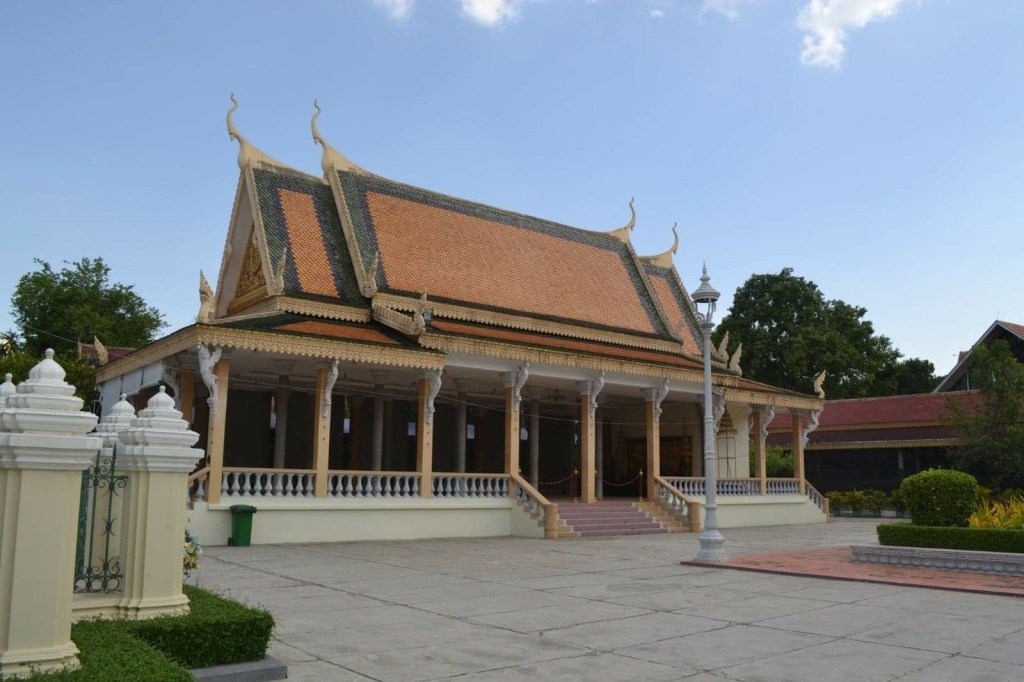
Some of the current buildings which are open to the public I will list below:
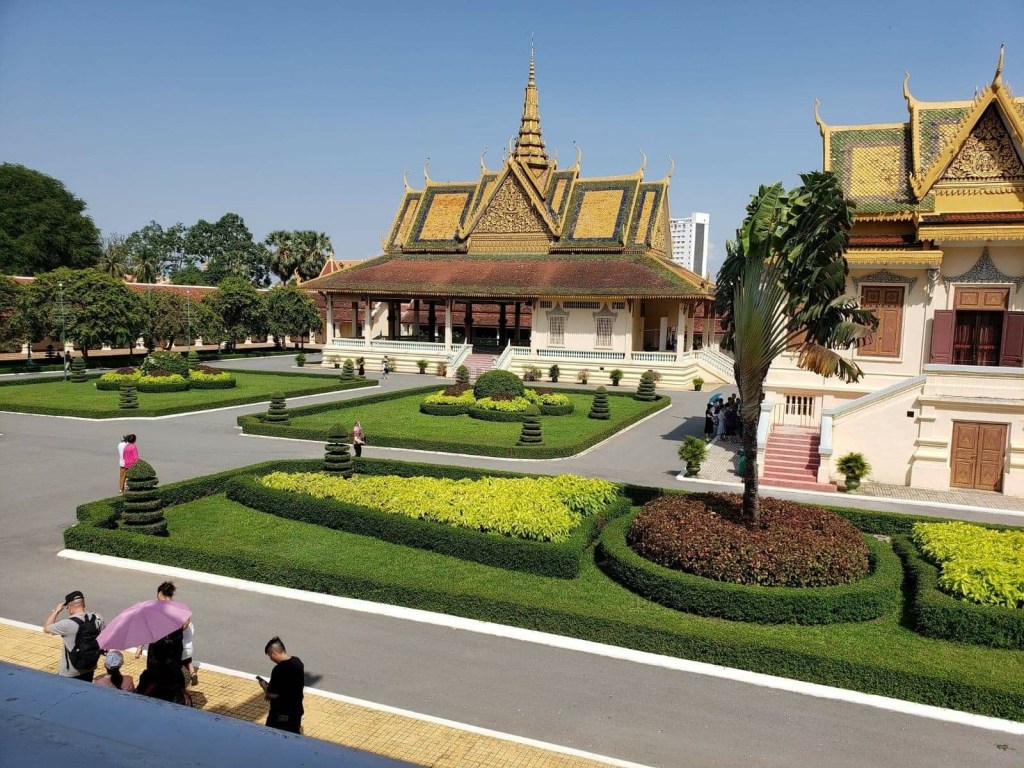

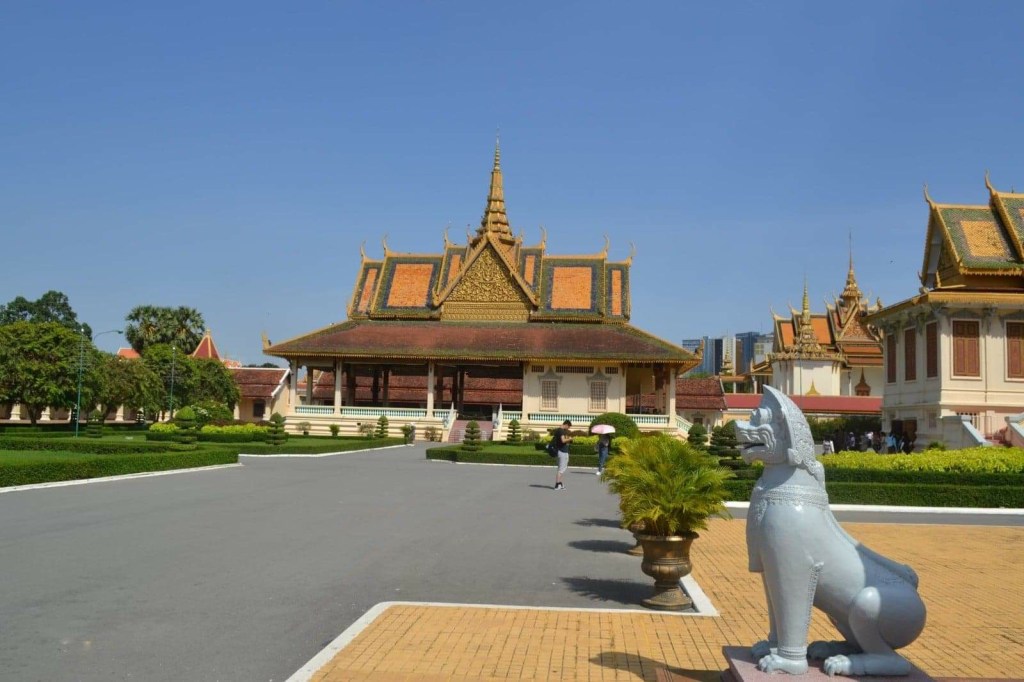

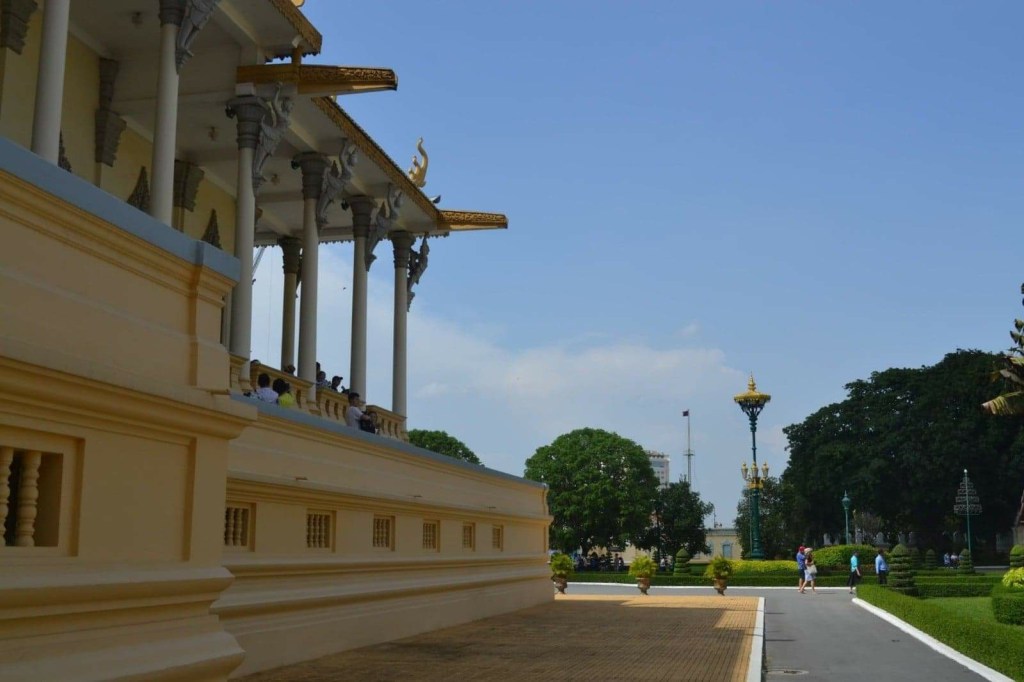

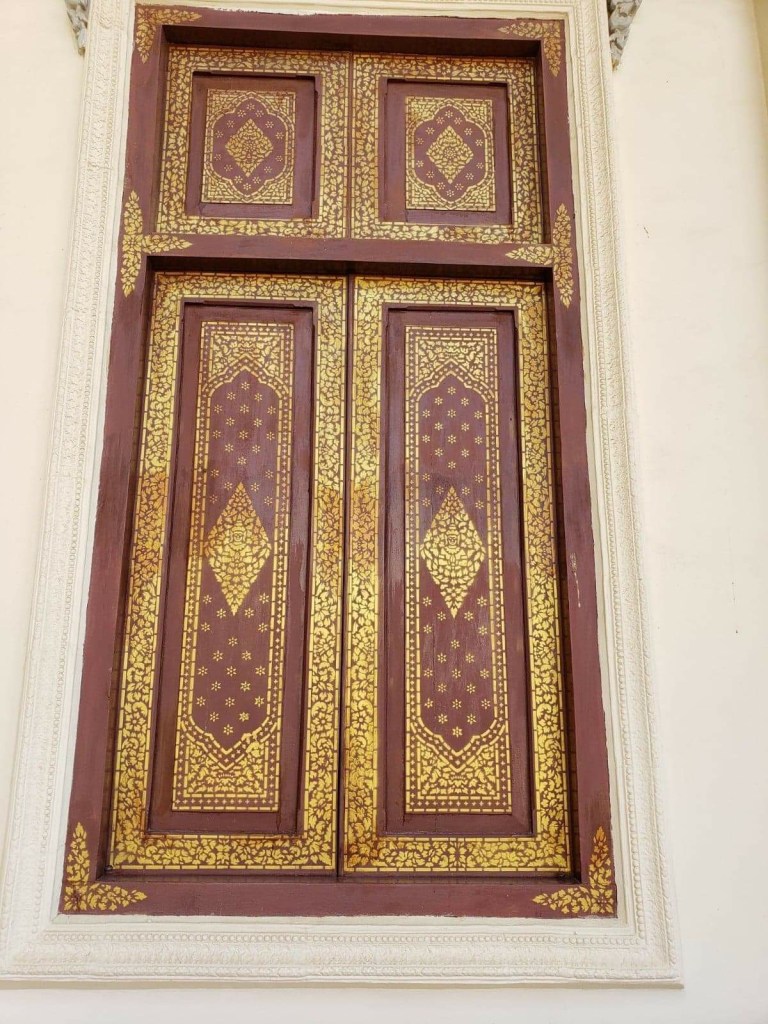


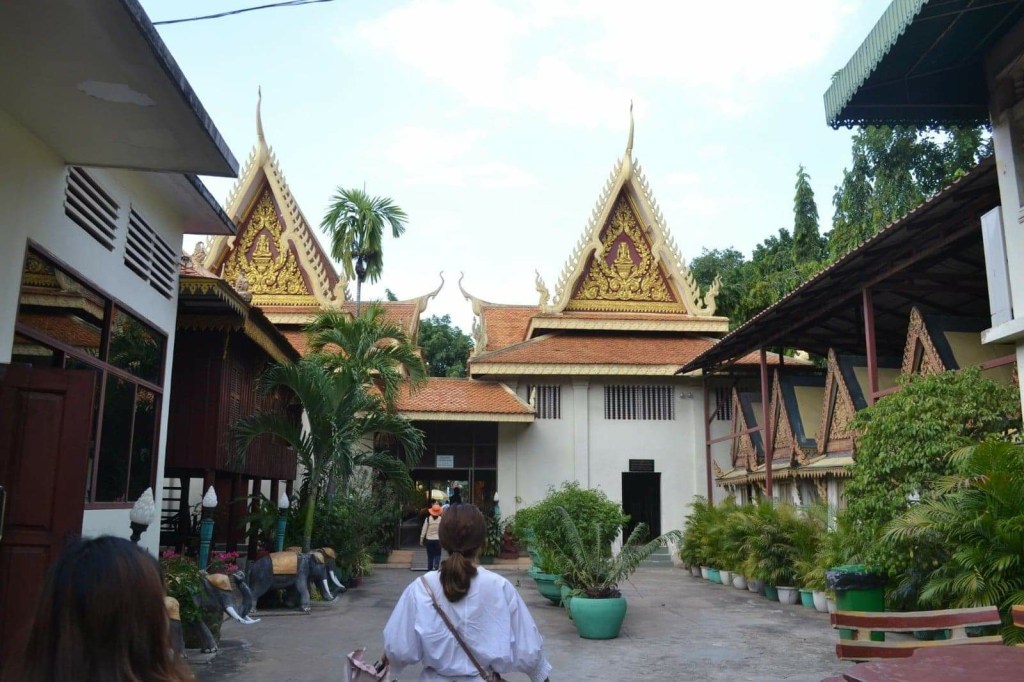
The palace itself is a brisk tour, which won’t take up much time. Even though there were many tourist earlier in the day, as the heat starts to rise most tourist have moved on. I did enjoy the tranquility of the palace, as the high walls drown out much of the city noise. It’s hard to believe how noisy the streets of Phnom Penh can get.
The highlight of the trip to the palace was to see the Chanchhaya Pavilion and Napoleon Pavilion, both of which sadly were sealed off from view as they were being renovated and repaired. I suppose that means I will be back soon.
The Silver Pagoda
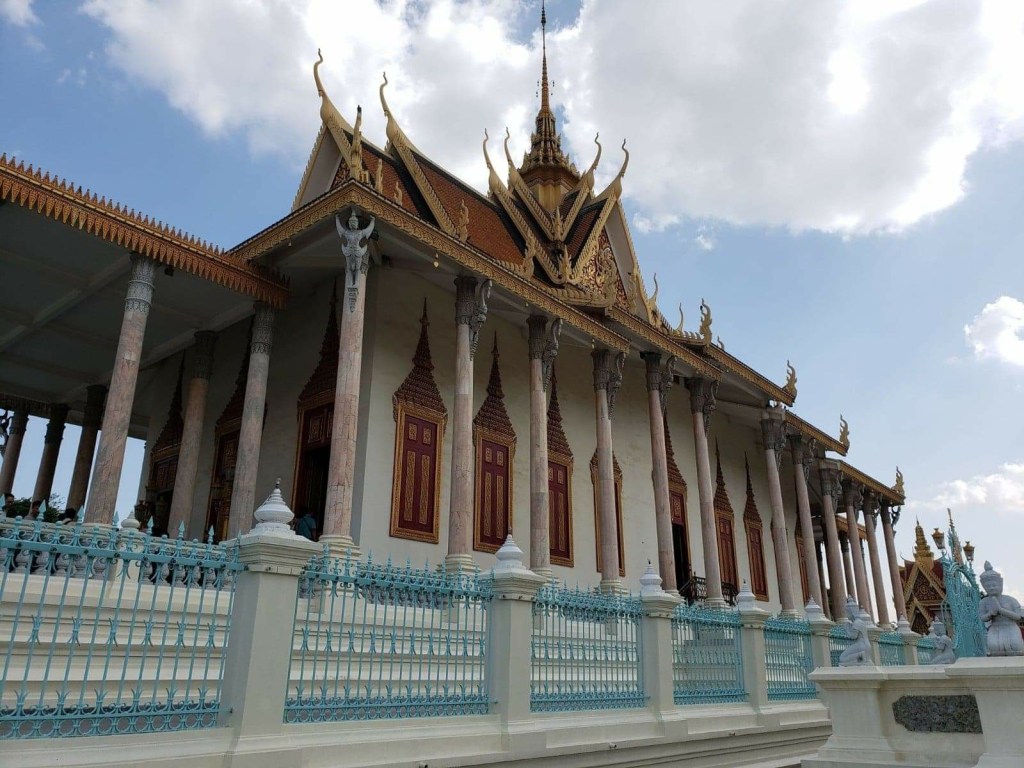
The Silver Pagoda, located just south of the Royal Palace, and encased within the walls is also part of the Palace tour. The official name of this temple is Preah Vihear Preah Keo Morakot, ព្រះវិហារ ព្រះកែវមរកត, or the Emerald Buddha Vihara.
The original structures were first built by tween 1885-1902, built entirely in wood and in the traditional Khmer style. The reconstructed Vihear we see now was built in 1962, when the original temple which was torn down and rebuilt in its current form.

The temple reminds me of the Thai Wat Phra Keo in Bangkok, though not nearly as glitzy and ornate. This was a bit refreshing as the temple was not as confined and there were so many fewer tourist milling about. No golden stupas or chedi, but the simplicity was the most refreshing.
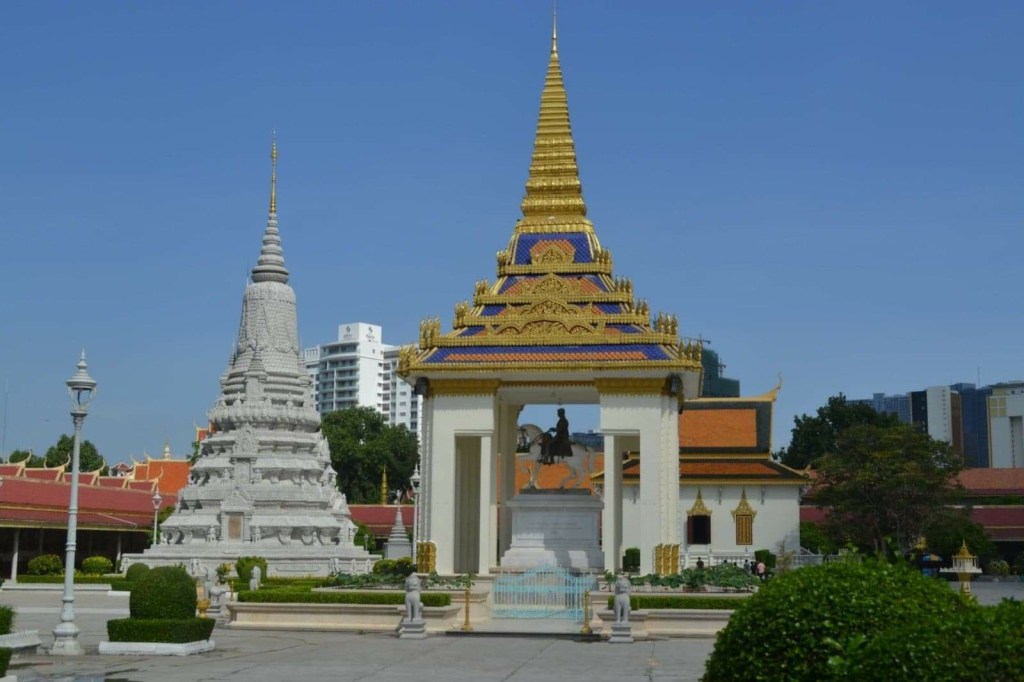
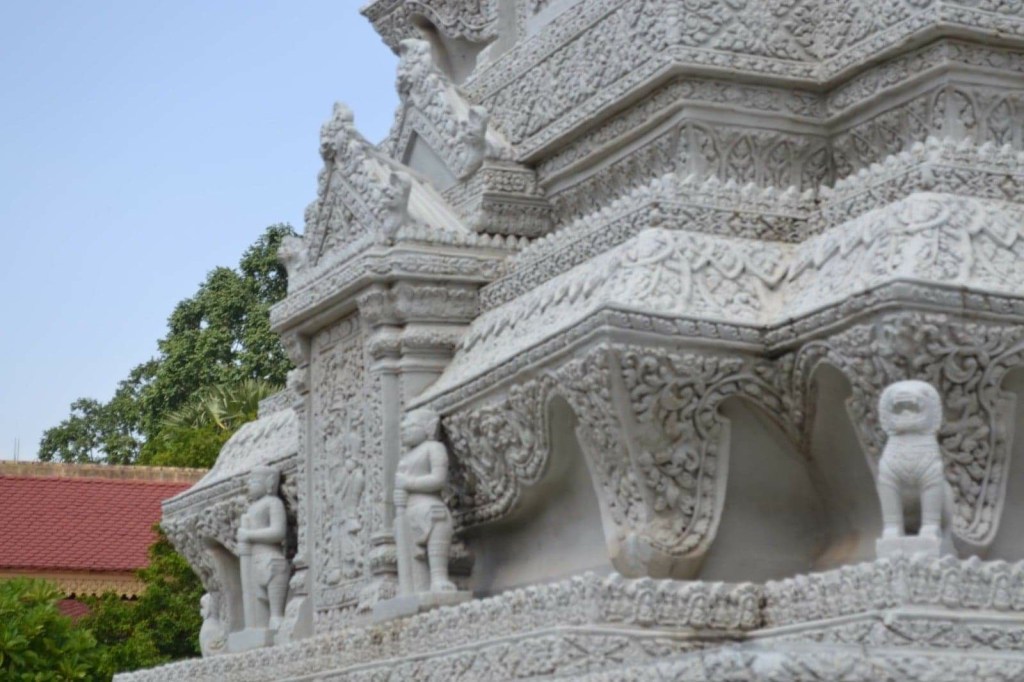
As I was wandering about I happened to overhear a pair of I presume were British travelers walking up to the Norodom stupa asking each other if this was the Silver Pagoda? This made me reflect that the signage was near nonexistent, and also that reading in detail about a destination is always advisable. I was about to correct them, but both of them seemed to have agreed that the stupa before them was the “Silver Pagoda” and they happily moved out of range. I have a quiet voice that doesn’t carry well outdoors in open spaces, so I didn’t see the point in shouting out after them. I am sure they figured it out when they posted about their trip in their own blogs.
Preah Vihear Preah Keo Morakot was worth the visit, but as its rather recent construction compared to other ruins and temples I can see many giving it a miss. It was certainly a little pricy for the lack of an monumental structures, but the palace and adjoining temple are at least worth one visit if visiting Phnom Penh.






The Ramayana (Reamker)

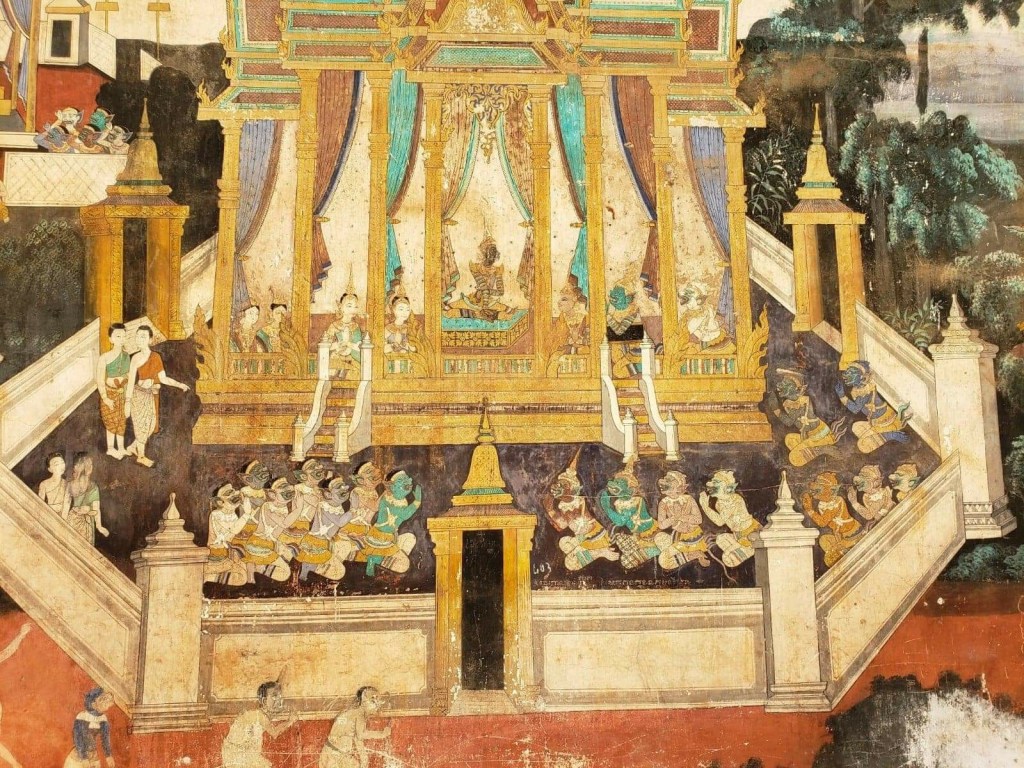
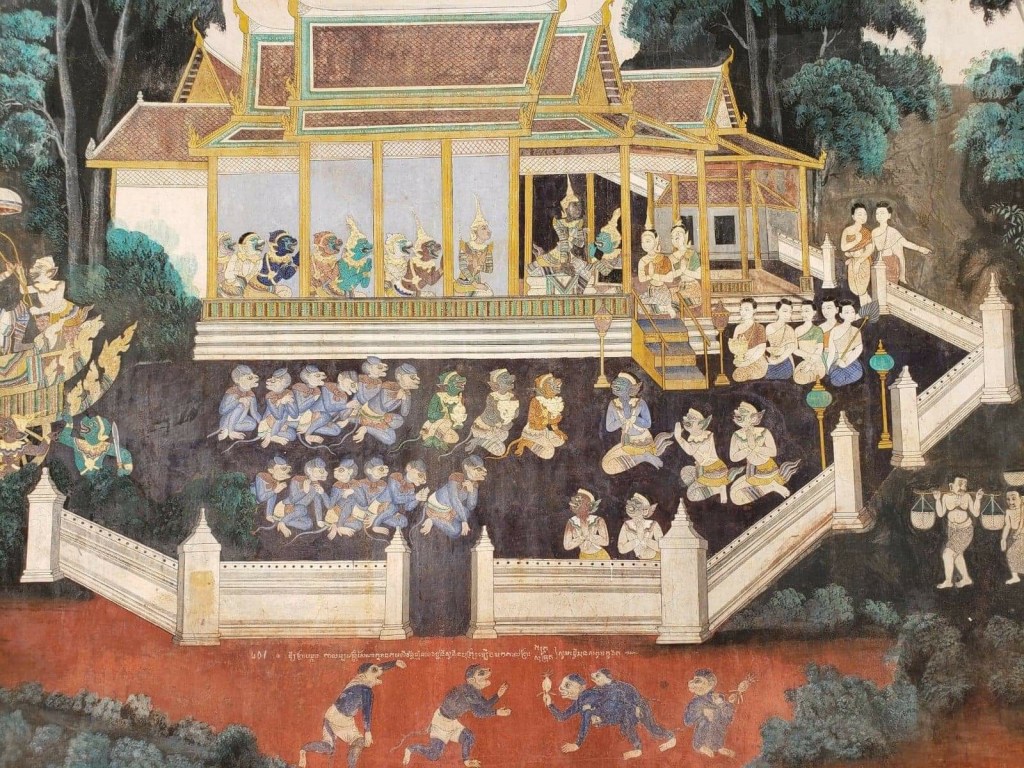
Painted murals along the temple compound walls depict scenes from the Ramayana, or Reamker, the epic poem “Glory of Rama.” As many English speakers might know Beowulf, much of South East Asians are familiar with the epic Ramayana, and is scene depicted in several of the royal temples in Bangkok and Phnom Penh.
Reamker, Khmer: រាមកេរ្តិ៍, also Romanized as Ramakerti, is a Khmer epic poem based on the before mentioned Sanskrit Ramayana epic. The earliest mention in Cambodia of the Reamker can be dated back to the 7th century based on the Veal Kantel inscription. The current variation of the Reamker dates from 16th century. The premise of the Reamker adapts Hindu ideas of good and evil and also introduces Buddhist themes.
The tale is about the protagonist King Rama, and the abduction and fidelity of his queen, Queen Sita. The King must overcome many obstacles and form unlikely alliances with the beasts and is greatly assisted by the Monkey King, who has his own series of adventures.
The Reamker is also performed as a ballet, and is the mainstay of the Royal Ballet’s repertoire and the Khmer Dance Theatre as well as performances in the many festivals across the country.
While the scenes depicted on the walls of the Silver Pagoda are painted murals, it’s predecessor can be found in the Bas relief of Banteay Srei and other Angkor period temples.



 Lost in Linklandiya
Leave a comment